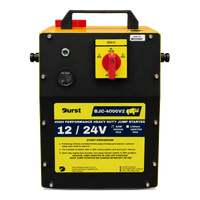
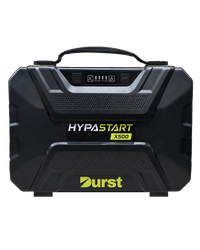
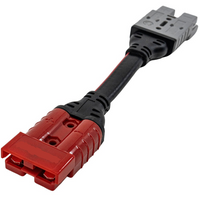
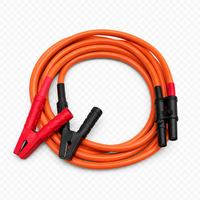
Connectors & Adaptors

Connect your 12V setup with Durst connectors and adaptors for batteries, solar panels, portable power stations, fridges and other accessories. The range includes Anderson-style adaptor and extension leads, plus MC4, XT60, M8 ring-terminal, clamp, fused and splitter options for touring, workshop and portable-power applications. Compare connector type, keying, polarity, current rating, cable size and length with your equipment before choosing.

Frequently Asked Questions

Get Connected: Your Questions Answered

What is an Anderson plug used for?

Anderson-style plugs create quick, secure 12V connections between batteries, solar panels, fridges, chargers, power stations and other equipment. They are common in 4WD, caravan, camping and workshop setups.

Are all Anderson plugs the same?

No. Plugs can differ in size, current rating, colour keying and polarity. Even connectors that look similar may not connect or suit the same circuit, so check both ends before buying.

What size Anderson plug do I need?

Choose a plug and lead suited to your system voltage, current, cable size and application. The entire cable and circuit must be suitable—not just the connector’s advertised amp rating.

Do Anderson plugs need a fuse?

Circuit protection must suit the cable and connected equipment. Some Durst adaptor leads include a 50A fuse, but that rating is not correct for every setup. Check the equipment instructions before connecting.

Can I connect a solar panel with an Anderson plug?

Yes, when the connectors, polarity and electrical specifications match. Durst offers MC4-to-Anderson, grey-to-red Anderson-style and Anderson-to-XT60 options. Check whether your system also requires a solar regulator.

How long should an Anderson extension lead be?

Use the shortest lead that comfortably reaches. Longer cables can increase voltage drop, especially at higher currents. Durst offers 2 m, 5 m and 10 m Anderson-style extension leads for different setups.

Can’t find your answer?

Feel free to reach out to us!

How to Choose the Right Connector or Adaptor

A useful adaptor must match the physical interface and electrical requirements on both sides of the connection. Start with the source—such as a battery, solar panel, vehicle outlet or Anderson-style feed—then identify the input on the equipment you want to power or charge. Do not choose from plug appearance alone.

Check the Connector Type, Keying and Polarity

Anderson-style housings can differ by size, colour and keying. For example, the grey-to-red lead in this collection exists because grey and red housings do not normally mate. MC4, XT60, M8 ring-terminal, fridge-cord and cigarette-style connections each serve different interfaces. Confirm both connector ends, orientation and polarity against the product and system instructions before connecting.

Match the Current Rating, Cable Size and Length

Check the load’s continuous current, the rating of the complete lead, cable size and total cable run. A 50A connector does not automatically make every cable or circuit suitable for 50A. Longer leads can increase voltage drop, especially at higher currents, so choose the shortest practical length and compare the product specifications. For specialist high-current starting leads, see Durst heavy-duty cables instead.

Choose the Right Termination and Protection

M8 ring-terminal leads suit a fixed connection to a compatible battery terminal, while clamp leads provide a temporary connection. Fused adaptor leads add a defined protection point; the fuse type and rating must still suit the cable, connected equipment and circuit. A Y splitter provides two connection points, but it does not increase the source circuit’s available current.

Match the Lead to the Job

For solar setups, first check whether you need MC4-to-Anderson, grey-to-red Anderson-style or Anderson-to-XT60 conversion, and confirm whether your system requires a regulator. For portable fridges and 12V accessories, verify the exact device plug and current draw. If extra reach is needed, compare the 2 m, 5 m and 10 m Anderson-style leads or the DC accessory extension, then check voltage drop and connector compatibility.

Planning a touring system? Explore solar charging equipment, DC-DC chargers or Adventure & 4WD power equipment. If any connector, polarity or rating is unclear, contact Durst before ordering.

Tools for Every Task

Discover our top picks across every category.