Build Your 4WD Power System Around the Trip
Start with what you need to run and for how long. Add the current draw of fridges, lights, device chargers, pumps and tools, then allow for both everyday consumption and any start-up surge. Your travel pattern matters too: regular driving favours alternator charging, long camp stays increase the value of solar, and a removable setup may suit more than one vehicle.
Start With Charging and Battery Compatibility
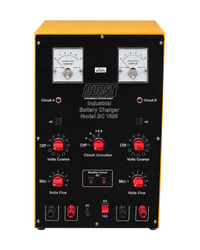
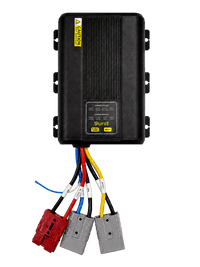
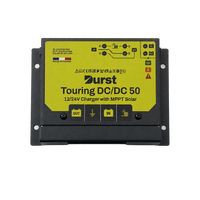
A DC-DC charger provides controlled charging from the vehicle electrical system to an auxiliary battery while driving. Selected Durst chargers and integrated power boxes also accept solar input, helping replenish the battery at camp.
Choose the charge current around the battery manufacturer’s recommended rate, battery capacity, chemistry, alternator capability and available driving time. Confirm smart-alternator support, solar limits and 12V or 24V compatibility on the exact product page.
Pick Portable or Installed Power
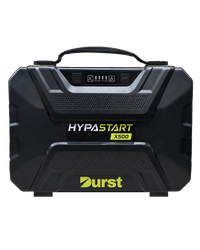
Portable battery boxes and integrated power-station kits suit removable touring setups, extra vehicles and flexible campsite use. Installed power hubs keep charging, distribution, sockets and monitoring in a central location for canopies, caravans or work vehicles.
Whichever approach you choose, plan secure mounting, ventilation, cable routing, accessible fusing and suitable protection before installation.
Size Solar and Inverters From Real Loads
Solar should be sized from daily energy use, available sunlight, battery capacity and the charging input limits of the regulator or DC-DC charger.
For 240V appliances, select an inverter for both continuous draw and start-up surge, then check that the battery, cables, fuses and connections can supply the required DC current. A larger inverter does not create more stored energy; battery capacity and recharging still determine how long equipment can run.
Finish With the Right Connections
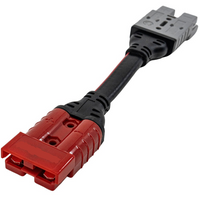
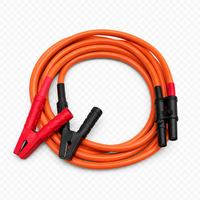
Match Anderson-style, MC4, XT60, clamp and ring-terminal leads by connector keying, polarity, cable size, current rating and length. Longer cable runs can increase voltage drop, so choose the shortest practical lead and suitable gauge.
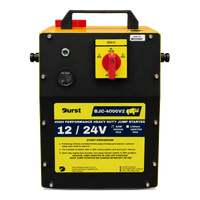
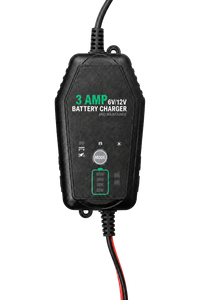
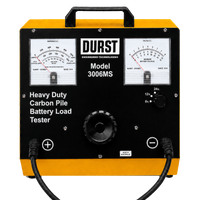
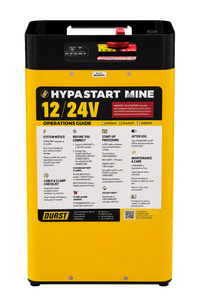
A portable jump starter and basic test gear can round out an emergency kit, but every component should be checked against the vehicle, battery and appliance specifications.
Compare the product pages, check the exact specifications and contact Durst if you need help planning a compatible setup.